
Beautiful Ways to Say Rest in Peace for Loved Ones
Beautiful ways to say Rest in Peace are kind and thoughtful expressions used to honor someone who has passed away. These words offer comfort, show respect, and express love for the person being remembered. They can be used in sympathy cards, memorial messages, or heartfelt tributes.
The words you choose can bring comfort during a difficult time. A meaningful farewell often feels more personal than simply saying “Rest in Peace.” Discover gentle phrases that help you express your sympathy with warmth and care.
There are many beautiful ways to say Rest in Peace, from traditional blessings to modern heartfelt messages. Some are religious, while others are simple and non-religious. Choosing the right words can honor a loved one’s memory and bring peace to those who are grieving.
Rest in Peace Meaning
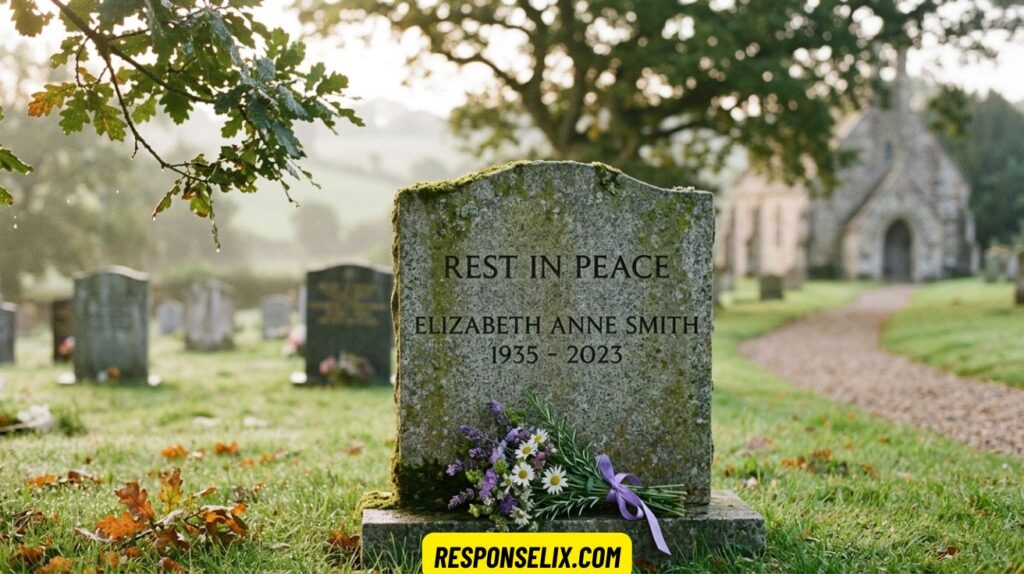
The phrase “rest in peace” comes from the Latin Requiescat in pace, often abbreviated as R.I.P. Early Christians used this prayer as a request for the deceased soul to find peace in the afterlife until the final resurrection. You can find it etched into ancient catacombs and medieval tombstones across Europe.
For centuries, the meaning stayed firmly rooted in Catholic and Protestant traditions. The words represented a hopeful plea that the departed would not linger in purgatory but would enter heavenly peace. This memorial message carried deep theological weight, a final blessing spoken over the body before burial.
In modern America, the meaning has broadened significantly. Many still use it as a faithful prayer for the soul’s journey. Others use it as a secular expression of sympathy, a simple wish that the person’s suffering has ended. The phrase now works for funeral wishes across different belief systems.
Understanding the origin helps you decide when to use the traditional R.I.P. and when a variation might better serve your condolence message. The core idea remains universal: wishing tranquility for someone who has passed. But the way you express that wish can reflect the personality, faith, and life of the one you mourn.
Alternatives to “Rest in Peace”
Sometimes the classic phrase feels too formal or too generic. You want something that captures who the person was. The following alternatives give you twenty-five distinct RIP alternatives that cover religious, poetic, and personal tones. Each one carries a slightly different shade of meaning, helping you find the right words for sympathy card or spoken tribute message.
1. Gone but not forgotten
This remembrance message focuses on lasting impact. Death removes the physical presence but cannot erase memory. The person lives on through the mark they made on others.
When you say gone but not forgotten, you make a promise. You commit to carrying their legacy forward. This memorial expression works especially well for community leaders, teachers, artists, or anyone whose influence rippled outward.
Example: “Grandpa taught me how to fish, how to be patient, and how to laugh at myself. Gone but not forgotten, his lessons echo every day.”
Best for: Obituaries, memorial plaques, legacy-focused tributes.
2. Peaceful journey
Some lives resemble voyages more than stationary existences. The peaceful journey metaphor honors the adventurous spirit, the traveler, or simply the soul’s transition from one realm to another.
This farewell message carries a gentle, almost poetic quality. It does not specify a destination, making it suitable for grief support across spiritual and secular contexts.
Example: “You explored every corner of this world. Now begins your greatest adventure. Peaceful journey, dear friend.”
Best for: Travelers, free spirits, non-religious memorials.
3. Eternal rest
Eternal rest speaks to complete, undisturbed peace. The phrase appears in traditional Christian liturgies: “Grant unto them eternal rest, O Lord.” It carries solemnity and finality.
Use this when the person endured prolonged suffering or labored tirelessly throughout life. The words acknowledge that their work is done and their sleep is sacred.
Example: “After decades of serving others, she has earned her eternal rest.”
Best for: Funeral services, religious condolences, headstone inscriptions.
4. In loving memory
In loving memory shifts the focus from the deceased to the act of remembering. You are not just noting their death; you are actively honoring their life through love.
This memorial quote appears frequently on dedication plaques, charitable donations, and anniversary remembrances. It remains one of the most versatile RIP sayings because it fits any context.
Example: “In loving memory of Robert Hayes, whose kindness touched everyone he met.”
Best for: Memorial donations, tattoos, formal tributes.
5. Forever in our hearts
Love internalizes the departed. When someone is forever in our hearts, they become part of your emotional landscape, shaping how you see and interact with the world.
This words of remembrance phrase resonates deeply with grieving family members. It assures them that absence does not equal disappearance. The love remains, constant and guiding.
Example: “Mom, you are forever in our hearts, your warmth still wrapping around us on cold days.”
Best for: Close family tributes, Mother’s Day or Father’s Day remembrances, children honoring parents.
6. At peace now
Suffering leaves scars on both the one who dies and those who watch. When a long illness or struggle ends, at peace now offers relief wrapped in sorrow.
This comforting words phrase acknowledges the hard road traveled. You grieve the loss while recognizing the end of pain. It works across belief systems because it focuses on the cessation of earthly suffering.
Example: “The cancer took so much, but it cannot touch her now. She is at peace now.”
Best for: Terminal illness, mental health struggles, old age, any prolonged suffering.
See Also : 30 Alternatives to “Hope All Is Well” That Sound Genuine and Professional
7. May their soul find peace
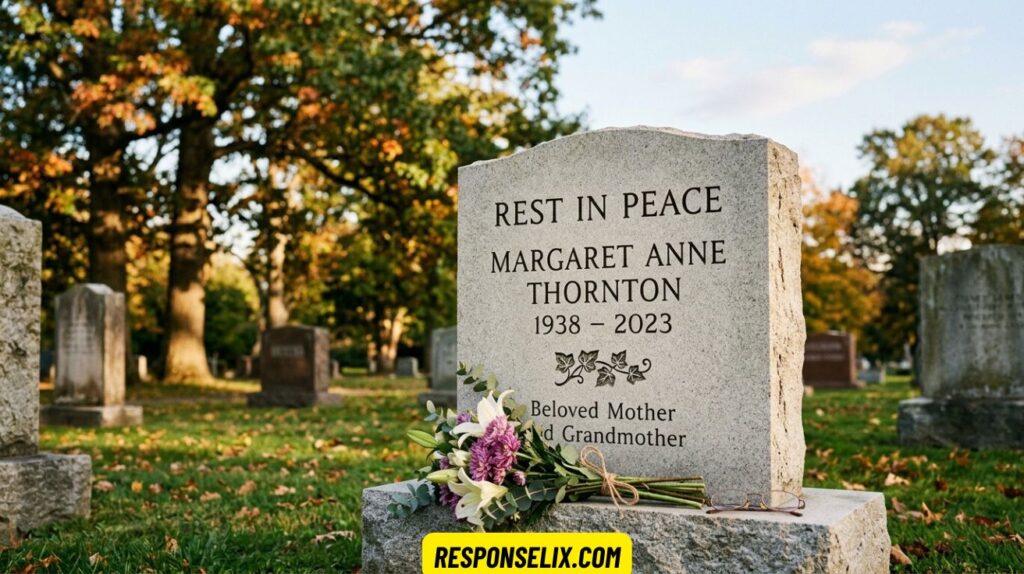
Sometimes peace is not guaranteed but hoped for. May their soul find peace functions as a gentle prayer, a wish cast into the universe for someone whose life felt turbulent or unfinished.
This bereavement messages option suits sudden deaths, complicated grief, or situations where the deceased carried heavy burdens. It expresses heartfelt condolences without presumption.
Example: “He struggled so much in life. May their soul find peace in the beyond.”
Best for: Tragic deaths, unresolved relationships, suicide loss.
8. Forever remembered
A promise. A commitment. Forever remembered means the deceased will not fade into the background of time. Their stories will be told, their photos kept, their name spoken.
This remembrance caption works well for social media memorial posts or anniversary tributes. It is straightforward yet powerful in its simplicity.
Example: “A light like hers does not dim. Forever remembered, forever missed.”
Best for: Social media tributes, memorial hashtags, anniversary posts.
9. Safe in heaven
Innocence and protection define this phrase. Safe in heaven carries a childlike faith that the departed now resides somewhere impervious to harm. It is tender and protective.
Parents who have lost children often gravitate toward this peaceful rest expression. It also fits anyone whose vulnerability made them especially cherished.
Example: “Our little angel, safe in heaven, playing in gardens we can only imagine.”
Best for: Loss of a child, deeply cherished elderly relatives, innocent spirits.
10. In God’s care
Surrender to divine will marks this funeral message. Placing someone in God’s care means trusting that a higher power now watches over them more perfectly than earthly love could manage.
This phrase resonates strongly in evangelical, Southern Baptist, and conservative Catholic communities across the United States. It reflects deep faith and acceptance.
Example: “We release him with tears and trust him in God’s care.”
Best for: Religious funerals, faith-based condolence cards, church communities.
11. Gone to a better place
Optimism about the afterlife shapes this common RIP message. The speaker declares confidence that the destination surpasses the origin. Heaven, paradise, or simply a state of non-suffering counts as better.
This phrase works in both religious and casual secular contexts. It suggests forward movement toward something improved.
Example: “No more bills, no more pain, no more worry. She’s gone to a better place.”
Best for: Casual condolence conversations, obituary closings, comforting children.
12. Forever at rest
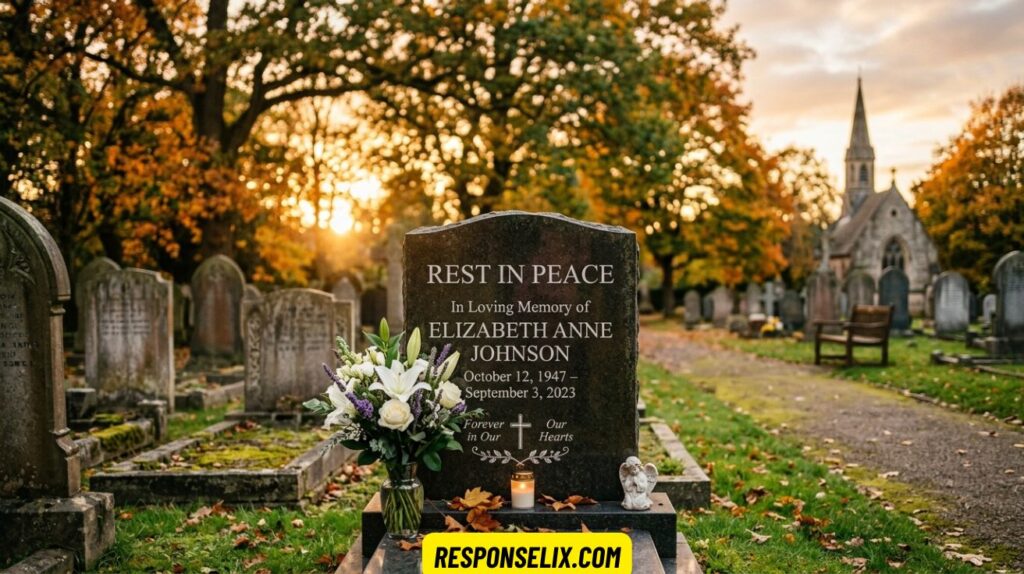
Forever at rest removes any temporary quality from peace. The rest is permanent, unbreakable, and complete. The phrase suits minimalist tributes that want maximum impact with few words.
Example: “He fought his battles with courage. Now, forever at rest, his war is over.”
Best for: Military funerals, headstone engravings, concise tributes.
13. In eternal peace
Timelessness distinguishes in eternal peace from similar phrases. Peace does not just last; it transcends time entirely. The concept of eternity removes the boundary between now and forever.
Example: “May she dwell in eternal peace, where clocks do not tick and sorrow does not visit.”
Best for: Formal condolence cards, elegant memorial stationery, Catholic masses.
14. May they rest in light
Light symbolizes truth, goodness, and clarity. May they rest in light emerges from New Age spirituality and Christian mysticism traditions. It invokes illumination over darkness.
This memorial saying offers a visually powerful metaphor. Light warms, reveals, and comforts. It stands in direct opposition to the darkness of death.
Example: “May they rest in light perpetual, shining bright in the presence of all that is good.”
Best for: Spiritual but not religious contexts, candlelight vigils, meditation memorials.
15. With angels now
Joining a celestial community provides comfort in this tribute message. The phrase paints a picture of the deceased welcomed by divine beings, no longer alone.
With angels now implies the departed had a saintly quality or deep connection to faith. It works beautifully in Christian contexts while retaining poetic appeal.
Example: “Her voice joined the choir with angels now, singing harmonies we strain to hear.”
Best for: Religious services, especially for choir members or devout individuals.
16. Resting in glory
Triumph and majesty infuse this expression. Resting in glory appears prominently in African American Gospel traditions and southern Baptist homegoing celebrations. Death is not defeat but elevation.
The phrase suggests trading earthly struggle for heavenly splendor. It carries energy and celebration alongside the grief.
Example: “She laid down her cross and picked up her crown, resting in glory forevermore.”
Best for: Homegoing services, gospel music tributes, triumphant memorials.
17. Peace be with them
Liturgical churches often use this farewell quote during services. It echoes the Catholic “passing of the peace” ritual, extended now to the departed.
Peace be with them functions as a collective blessing spoken over the deceased by the gathered community. It is communal rather than individual.
Example: “As we release you, peace be with them, today and always.”
Best for: Liturgical services, Catholic funerals, formal group condolences.
18. Beyond the stars
Cosmic imagery captures the imagination. Beyond the stars suggests a destination so vast and mysterious that human language cannot define it. This respectful farewell suits dreamers, scientists, and anyone who looked up with wonder.
Example: “He spent his life studying the night sky. Now he explores what lies beyond the stars.”
Best for: Secular memorials, astronomy enthusiasts, sci-fi fans, poetic tributes.
19. At rest and free
Bodily or emotional confinement ends at death. At rest and free acknowledges liberation from whatever bound the person. Chronic illness, disability, addiction, or oppressive circumstances lose their grip.
This mourning message validates the struggle without defining the person solely by it. Freedom becomes the final word.
Example: “The wheelchair could not hold her spirit, but her body could. She is at rest and free.”
Best for: Chronic illness deaths, addiction losses, disability community memorials.
20. Rest in divine peace
Rest in divine peace amplifies the traditional R.I.P. with intentional sacredness. Divine peace surpasses ordinary peace. It flows from a holy source and carries spiritual weight.
Example: “May you rest in divine peace, wrapped in the love of the Creator.”
Best for: Deeply religious families, pastoral condolences, faith-centered cards.
21. Journey well
This final goodbye phrase combines blessing and release. Borrowing cadence from African and Caribbean farewell traditions, journey well encourages safe passage without prescribing the destination.
Example: “You walked this earth with purpose. Now journey well to the ancestors.”
Best for: Afrocentric memorials, spiritual ceremonies, earth-based traditions.
See Also : 30+ Funny Ways to Say Goodnight That Will Leave
22. Laid to rest
Laid to rest describes the physical act of burial while carrying symbolic weight. Something placed down with care can finally stop holding itself up. The phrase honors completion.
Example: “He was laid to rest beneath the oak tree where he proposed sixty years ago.”
Best for: Burial services, grave marker inscriptions, narrative obituaries.
23. Rest easy
Informal yet deeply tender, rest easy sounds like a loved one tucking someone into bed. The phrase carries intimacy and familiarity. You say it to someone you knew well and loved deeply.
Example: “You carried so much weight for so long. Rest easy now, brother.”
Best for: Close friends, siblings, informal memorials, veteran tributes.
24. Returned to the earth
Natural cycles frame this remembrance words option. Bodies decompose and nourish new life. Returned to the earth connects death to ecological truth without requiring religious belief.
Example: “She returned to the earth, becoming wildflowers and morning rain.”
Best for: Green burials, environmentalists, secular naturalists, earth-based spirituality.
25. Resting in love
Love becomes the container for peace. Resting in love suggests that the departed lies surrounded not just by absence but by active, ongoing love from those left behind and perhaps from the divine.
Example: “No darkness can reach her now. She is resting in love, held by all of us.”
Best for: LGBTQ+ memorials, chosen family contexts, love-centered tributes.
Beautiful Ways to Say Rest in Peace
Finding truly beautiful ways to say rest in peace requires matching the phrase to the person. A generic condolence feels hollow. A personalized tribute honors a unique life.
Here is a quick reference table for matching the phrase to the person:
| Type of Person | Recommended Phrase | Why It Fits |
|---|---|---|
| Devout Christian | In God’s care | Reflects faith and surrender |
| Free spirit / Traveler | Peaceful journey | Honors adventurous nature |
| Someone who suffered | At peace now | Acknowledges end of pain |
| Close family member | Forever in our hearts | Expresses ongoing bond |
| Child or innocent soul | Safe in heaven | Tender and protective |
| Community leader | Gone but not forgotten | Emphasizes lasting legacy |
| Nature lover | Returned to the earth | Connects to natural cycles |
| Gospel tradition | Resting in glory | Triumphant and celebratory |
| Non-religious friend | Beyond the stars | Poetic without theology |
| Sudden tragic loss | May their soul find peace | Hopeful without presumption |
Expert Tip: Write down three words that describe the person. Then scan the list above for the phrase that best matches those words. This method helps you cut through overwhelm and find the right words of remembrance quickly.
How to Say Rest in Peace Message
Crafting a rest in peace message involves more than picking a phrase. How you deliver the message matters as much as the words themselves. Follow these practical steps to create heartfelt condolences that truly comfort.
Step 1: Choose Your Medium
Decide whether the message will be spoken, handwritten, or posted online. Handwritten condolence phrases feel more personal. Digital messages suit wider circles. Spoken words carry weight at services.
Step 2: Address the Bereaved First
Before you speak about the deceased, acknowledge those grieving. A simple “I am so sorry for your loss” opens the door gently.
Step 3: Share a Specific Memory
Generic praise falls flat. Mention a particular moment that captured the person’s character. This makes your tribute message authentic and memorable.
Step 4: Include Your Chosen Phrase
Weave your selected beautiful way to say rest in peace naturally into the message. Do not force it. Let it flow from the memory you shared.
Step 5: Offer Practical Support
Move beyond words. A sympathy message paired with an offer of meals, childcare, or errand-running doubles the comfort.
Example Full Message:
“Dear Maria, I keep thinking about the summer your dad taught us to grill burgers and set the deck on fire. He just laughed and said memories cost extra. His humor lives on in everyone who knew him. He is forever remembered and deeply missed. I am bringing dinner over Thursday, no need to reply.”
Common Mistake: Avoid comparing the loss to your own experience. Even if well-intended, saying “I know exactly how you feel because my grandmother died” shifts focus away from the grieving person. Keep the spotlight on their pain and their loved one.
Rest in Peace Quotes
Sometimes the perfect words already exist. These RIP quotes drawn from writers, poets, and spiritual traditions capture what you struggle to articulate. Use them as standalone memorial quotes or pair them with your personal message.
Traditional Religious Quotes:
- “Eternal rest grant unto them, O Lord, and let perpetual light shine upon them.” — Traditional Catholic Prayer
- “Blessed are those who mourn, for they shall be comforted.” — Matthew 5:4
- “The Lord is my shepherd; I shall not want. He makes me lie down in green pastures.” — Psalm 23
Poetic and Literary Quotes:
- “To live in hearts we leave behind is not to die.” — Thomas Campbell
- “What we have once enjoyed we can never lose. All that we love deeply becomes a part of us.” — Helen Keller
- “Perhaps they are not stars, but rather openings in heaven where the love of our lost ones pours through and shines down upon us.” — Eskimo Proverb
Modern Comforting Quotes:
- “Those we love don’t go away. They walk beside us every day.” — Unknown
- “Grief is just love with no place to go.” — Jamie Anderson
- “You were my home. Now I carry you with me wherever I go.” — Unknown
Best Practice: When you borrow a quote, always credit the source if known. Add one personal sentence after the quote to ground it in your specific loss. A bereavement message that combines timeless wisdom with personal detail strikes the deepest chord.
How to Say Rest in Peace to a Friend
Friendship grief occupies a unique space. Society often prioritizes family grief, leaving friends feeling like their loss matters less. When you craft thoughtful condolences for a friend, you validate that their relationship held deep significance.
Acknowledge the Relationship
Name what the friendship meant. “She was your person” or “He knew you better than almost anyone” confirms the bond was real and important.
Use Informal, Warm Language
Friends speak differently than colleagues or distant relatives. Rest easy or at peace now often fits better than formal funeral condolences. Drop the stiff formality and write like you talk.
Share Inside Jokes or Stories
Friend tributes shine when they include the specific, quirky memories that defined the relationship. The time they got lost on a road trip. The terrible movie they watched together. The late-night phone calls.
Example Message to a Friend:
“Jake, I keep replaying that ridiculous karaoke night when Mike sang Whitney Houston and broke the microphone stand. He was so alive in that moment, so utterly himself. That is how I will always see him. Rest easy, Mike. We’ve got Jake, I promise.”
Warning: Never pressure a grieving friend to respond. End your message with “no need to reply” or “thinking of you without expectation.” Grief exhausts people. Removing the obligation to respond is a gift in itself.
See Also : 38 “Waiting for Your Response” (That Actually Get Replies)
Non-Religious Way of Saying Rest in Peace
Many Americans identify as spiritual but not religious, agnostic, or atheist. The loss of a loved one still demands recognition, but traditional religious language may ring hollow. Here are RIP alternatives that honor the deceased without invoking deity or afterlife.
Top Non-Religious Phrases:
| Phrase | Sentiment |
|---|---|
| At peace now | Release from suffering |
| Forever remembered | Legacy and memory |
| Beyond the stars | Cosmic mystery |
| Returned to the earth | Natural cycles |
| Rest easy | Informal, intimate peace |
| Gone but not forgotten | Enduring impact |
Why Non-Religious Language Matters
Using religious mourning messages for someone who rejected faith can feel disrespectful. It imposes your beliefs onto their death. Choosing secular comforting condolences shows you saw and respected who they truly were.
Example Secular Tribute:
“Dad never believed in heaven, but he believed in the redwood forests, the Pacific Ocean, and a well-tended garden. He returned to the earth he loved so much. His atoms scatter into everything beautiful.”
Common Mistake: Avoid saying “He’s in a better place” to atheists or agnostics. The phrase presumes belief in an afterlife they may have explicitly rejected. At peace now works far better because it focuses on the end of suffering rather than the start of an afterlife.
The History Behind Saying Rest in Peace
The phrase “rest in peace” did not start with greeting cards or sympathy flowers. It began in the catacombs of early Christianity, scratched into stone as a prayer for the dead. The Latin Requiescat in pace was not merely a wish but a theological plea. Early believers prayed that the departed soul would find respite until the final resurrection. Understanding this history deepens your appreciation for every RIP message you encounter on old headstones and modern memorials.
Over centuries, the phrase crossed denominational lines and eventually secular boundaries. By the Victorian era, R.I.P. appeared widely in English cemeteries regardless of strict Catholic affiliation. Today, Americans use it broadly, from deeply religious funeral messages to casual social media posts. The history reminds us that words carry weight accumulated over generations. When you choose a respectful farewell, you join a long human chain of mourners reaching for language to soften the sharp edge of loss.
Cultural Variations of Rest in Peace Around the World
Not every culture wishes the dead to rest in peace in the same way. Jewish mourners often say “May their memory be a blessing,” which focuses on the living act of remembrance rather than the soul’s repose. In many Buddhist traditions, the focus shifts toward a good rebirth rather than eternal rest. Understanding these cultural remembrance expressions helps you craft a condolence message that respects the specific background of the grieving family.
In Hispanic Catholic communities, “Descanse en paz” carries the same Latin roots but often appears alongside vibrant celebrations like Día de los Muertos, where rest coexists with joyful remembrance. African American homegoing services frequently emphasize resting in glory rather than mere peace, infusing the farewell with triumph and musical celebration. Knowing these variations matters because America contains multitudes. Your thoughtful condolences land differently when they reflect cultural awareness rather than generic assumptions.
Common Mistakes to Avoid When Writing a Condolence Message
Good intentions can still cause pain when words miss the mark. One of the most frequent mistakes is rushing to silver linings. Telling a grieving person “at least they are not suffering” or “everything happens for a reason” dismisses their immediate pain. Grief needs acknowledgment before it needs perspective. Your sympathy wishes should sit with the sorrow first, offering presence rather than platitudes.
Another common error involves making the message about yourself. Long paragraphs detailing your own losses or your own grief journey shift the spotlight away from the bereaved. Keep your words for sympathy card focused on the person who died and the person reading your message. Avoid comparisons, avoid unsolicited advice, and avoid religious language unless you know the family shares that faith. A simple, honest bereavement message that stays centered on their loss will always serve better than elaborate language that accidentally wounds.
Rest in Peace Message for Family Member
Family relationships carry complexity. Love mingles with history, obligation, and sometimes unresolved conflict. A rest in peace message for family member must acknowledge the layered reality while centering compassion.
For a Parent:
Focus on gratitude and legacy. Parents shape who you become. Thank them for specific gifts and promise to carry their values forward.
Example: “Mom, you taught me to stand up straight and speak my mind. I will keep doing both, even with tears running down my face. Forever in our hearts, your strength becomes my own.”
For a Sibling:
Sibling grief often gets overlooked. People ask how the parents are doing and forget the brother or sister. Your message can honor the unique bond that shaped your childhood.
Example: “No one else remembers the same living room forts, the same Christmas mornings, the same inside jokes. Half my memories have you in them. Rest easy, sister. I am lost without you but so grateful for the years we had.”
For a Grandparent:
Grandparents represent roots and heritage. Your remembrance quotes can honor the generation that shaped the family.
Example: “Grandpa, your hands built furniture, fixed bicycles, and held grandchildren with impossible gentleness. The things you made will outlast us all. Gone but not forgotten, your craftsmanship and kindness echo through generations.”
For Extended Family:
Aunts, uncles, and cousins matter. Do not let distant relation status silence your sympathy wishes. Acknowledge their role in the family fabric.
Table: Tailoring Your Message by Family Relationship
| Relationship | Tone | Phrase Suggestion |
|---|---|---|
| Parent | Gratitude and legacy | Forever in our hearts |
| Sibling | Shared history and loss | Rest easy |
| Grandparent | Heritage and roots | Gone but not forgotten |
| Child | Tenderness and protection | Safe in heaven / Resting in love |
| Spouse / Partner | Deep love and ongoing bond | In loving memory |
| Extended Family | Warmth and family role | Forever remembered |
Best Practice for Family Messages: Be honest. Family relationships are rarely perfect. If things were complicated, acknowledge the complexity without airing grievances in a funeral message. “We had our struggles, but I loved him” honors truth without creating pain for others.
Conclusion
Finding Beautiful Ways to Say Rest in Peace helps you share love, respect, and kindness when someone passes away. Simple and caring words can bring comfort to family and friends during a difficult time. Every person is special, so a thoughtful message can honor their life in a meaningful way. You can choose words that match your feelings and show how much the person meant to you. A heartfelt farewell leaves a lasting memory and reminds others that love never fades.
There are many Beautiful Ways to Say Rest in Peace, from short messages to warm and touching tributes. Some phrases express faith, while others focus on love, peace, and remembrance. The best words come from the heart and show true care. Use these expressions in sympathy cards, social media posts, memorial speeches, or personal letters. Kind and gentle words can give hope, celebrate a loved one’s life, and help others remember them with peace and love.
Frequently Asked Questions
How do you say “Rest in Peace” in a unique way?
You can say “Forever in our hearts,” “Rest easy,” “May your soul find peace,” or “Gone but never forgotten.” These phrases feel more personal and heartfelt than the traditional expression.
What is the best RIP message?
A meaningful RIP message is: “May your soul rest in eternal peace. Your kindness and love will always be remembered.” It offers comfort while honoring the person’s memory.
How do I caption Rest in Peace?
Use a short, respectful caption like “Forever in our hearts, never forgotten,” “Your memory will live on,” or “Rest easy, dear friend.” Keep your words sincere and compassionate.
How to post Rest in Peace?
Share a heartfelt message with a favorite photo or memory of the person. Express your sympathy, celebrate their life, and end with a respectful farewell such as “Rest in peace” or “Gone but never forgotten.”